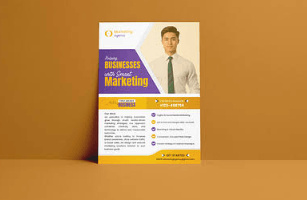
Creating professional flyers for corporate events requires a disciplined approach. Clarity of purpose and a defined audience shape messaging, visuals, and channels. The copy must be concise, on-brand, and action-driven, while design honors balance, legibility, and credible color. Production and accessibility are non-negotiable—scalable assets, consistent outputs, and alt text matter. When distribution plans align across print and digital, brand integrity remains intact, yet a critical decision awaits that could change the outcome.
Define the Event Purpose and Target Audience
Determining the event’s purpose and identifying the target audience are foundational steps that guide every design choice and messaging decision. Clear event goals align components across channels, ensuring consistency and impact.
Audience segmentation informs tone, visuals, and channels, enabling precise reach. This strategic framing prevents scattershot efforts, accelerates decision-making, and enhances engagement by delivering relevant, freedom-driven content to the right stakeholders.
Craft a Clear, On-Brand Message
Crafting a clear, on-brand message ensures the event communicates its purpose with precision and resonates with the intended audience. The copy must reflect branding consistency and maintain a consistent audience tone across channels. It clarifies value, guides action, and reinforces credibility without excess. This strategic phrasing empowers sponsors and attendees to engage confidently, supporting the flyer’s freedom-loving, results-driven mindset.
Design Principles for Professionals: Layout, Color, and Typography
Design principles for professionals hinge on how layout, color, and typography guide attention and convey credibility.
Effective flyers achieve layout balance by distributing elements harmoniously, ensuring readability and flow.
Color choices reinforce brand and mood without distraction.
Strategic typography relies on deliberate font pairing to establish hierarchy and credibility.
When executed with discipline, these choices empower audience freedom to engage, trust, and act.
Optimize for Print and Digital: Production, Accessibility, and Distribution
To optimize a corporate event flyer for both print and digital channels, a disciplined production workflow ensures accurate color, scalable assets, and consistent output.
The approach balances print versus digital workflow considerations, ensuring quick adaptation and cost efficiency.
Event accessibility remains central, with accessible typography and alt text.
Distribution strategies align with channels, timelines, and audience preferences, preserving brand integrity while expanding reach.
Frequently Asked Questions
How Much Should I Budget for a Corporate Event Flyer?
A corporate flyer budget varies, but planning suggests a practical range tied to scope. Budget planning should include design collaboration, print options, and distribution. Strategically, allocate flexibly, compare vendors, and prioritize impact over excess to preserve freedom in execution.
Which File Formats Are Best for Different Distribution Channels?
File formats for social, print workflow constraints, brand color consistency, typography licensing guide decisions for distribution channels, prioritizing versatile formats. The strategist emphasizes flexible yet disciplined choices to preserve identity, enabling freedom while ensuring professional impact across audiences and platforms.
How Can I Measure Flyer Impact and ROI?
Measuring response and audience engagement is essential; it enables assessment of flyer impact and ROI. The approach tracks conversions, engagement metrics, and branding consistency, guiding strategic adjustments to maximize freedom-driven outcomes and long-term marketing value.
What Legal Considerations Apply to Event Flyers (Trademarks, Rights)?
A cautious briefing reveals: trademark infringement, rights clearance, branding consistency, and design ethics govern event flyers; missteps risk liability. Like a compass, diligent checks steer creativity, protecting freedom to innovate while respecting rights and avoiding costly disputes.
See also: Understanding the Basics of Online Security Technologies
How Often Should Branding Guidelines Update for Ongoing Events?
Brand consistency should guide branding guideline updates, with a cadence aligned to event cycles; timeline updates occur quarterly or with major changes, ensuring ongoing coherence while allowing flexibility for evolving identities and audience expectations.
Conclusion
Coherence emerges when purpose and audience align, and so do outcomes when message, design, and distribution act in concert. The coincidence is simple: precise goals meet disciplined execution. A clear event aim mirrors the audience’s needs; on-brand language reinforces credibility; balanced layouts and accessible typography ensure legibility across channels. When production and distribution are synchronized, every asset reinforces the sponsor’s value. The result is flyers that don’t just inform—they persuade, convincingly connecting attendees to the corporate event.
